

Mastering CX: Your Guide to Unforgettable Customer Journeys


Why Every Service Call Is a Make-or-Break Moment
Improving customer experience isn’t just a buzzword—it’s the lifeline of your contracting business. When a homeowner has a broken AC in July, their experience begins with the first call and doesn’t end until they’ve decided whether to recommend you to their neighbors.
To improve customer experience in home services:
- Reduce wait times – Answer calls quickly or provide prompt callbacks.
- Empower your team – Give technicians authority to solve problems on the spot.
- Personalize every interaction – Use customer history to anticipate needs.
- Map the entire journey – Identify friction points from first call to follow-up.
- Gather and act on feedback – Close the loop with surveys and review responses.
- Build omnichannel consistency – Ensure seamless communication across all channels.
The stakes are high. Customer satisfaction is at a two-decade low, yet 80% of customers say a company’s experience is as important as its services. Worse, 32% will leave a brand after just one bad experience. For a contractor, a single missed call or a rude dispatcher can cost you years of referral business.
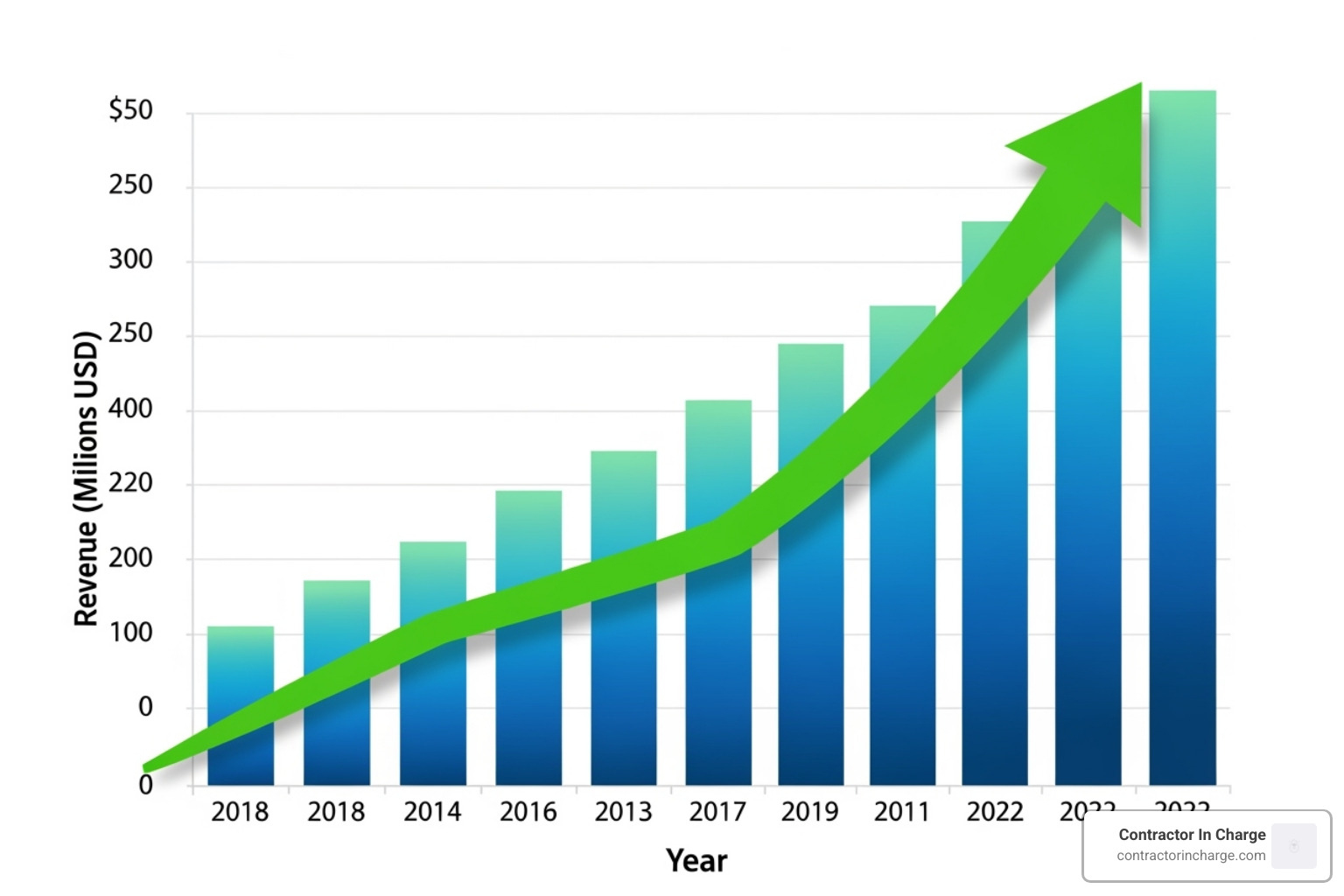
But here’s the good news: 84% of companies that improved their customer experience saw increased revenue, and customers will pay more for it. Investing in a better customer journey is your fastest path to higher profits and sustainable growth.
The Foundation: Understanding CX vs. Customer Service
Before we dive into the “how,” let’s clarify a common point of confusion. “Customer experience” and “customer service” are not the same, and knowing the difference is key to helping your business thrive.
FeatureCustomer ServiceCustomer Experience (CX)ScopeA single touchpoint or interactionThe entire journey from start to finishApproachReactive—responding to problems as they ariseProactive—designing positive interactions before issues occurFocusSolving immediate issues (answering calls, fixing problems)Shaping overall customer perception and emotional connectionGoalAddress specific needs efficientlyBuild lasting brand loyalty and trustExampleYour dispatcher answering a midnight emergency callEverything from how they found you online to whether they refer you to neighbors
Think of it this way: customer service is a moment. It’s a reactive response, like your dispatcher picking up the phone or your technician explaining a repair.
Customer experience is the whole story. It’s every interaction a homeowner has with your business, starting from their frantic Google search for an “emergency plumber near me” and continuing long after you’ve left. As research from Salesforce shows, the experience is as important as the service itself. You can do perfect technical work, but if the journey was frustrating, you’ve still lost.
Why This Distinction Matters for Your Contracting Business
This isn’t just marketing jargon. You’re entering people’s homes during stressful moments. A broken furnace in winter is a crisis, and your relationship with that homeowner begins long before your technician arrives.
A holistic approach to customer experience means looking at every touchpoint. When a basement is flooding, the quality of your work is vital. But so is whether they could reach you quickly, if your dispatcher was reassuring, if you arrived on time, and if your technician respected their home.
Every interaction, from the first call to the final invoice, either builds or erodes trust. Did they have to repeat their problem to three different people? Was your invoice clear and easy to understand? Focusing on the complete journey doesn’t just fix problems—it creates long-term relationships that generate referrals, five-star reviews, and loyal customers.
The High Stakes of CX: Why It’s Your #1 Growth Strategy
If you’re not making customer experience your top priority, you’re leaving money on the table. Customer retention, increased revenue, and a competitive advantage are all natural outcomes of making every customer interaction exceptional. When homeowners trust you, they’ll pay a price premium, wait for your schedule, and forgive an occasional mistake.
The Financial Rewards of a Great Experience
Investing to improve customer experience costs money upfront, but the return is massive. Customers who rate their experience a perfect 10 spend 140% more and stay with you six times longer. This means you can stop constantly hunting for new customers and instead build a loyal base that calls you first, every time.
Research confirms this: 84% of companies that improved their customer experience saw increased revenue, and CX leaders grow revenue up to 80% faster than competitors. It’s not just about making more money; it’s about keeping it. As Harvard Business Review points out, getting the experience right the first time reduces the time and money spent on handling complaints and acquiring new customers to replace those who’ve left.
The Real Cost of a Bad Experience
Now for the flip side. That feeling when you’ve done great work, but the customer is still angry because of a rude dispatcher or a late arrival? That’s losing customers in real time. The statistics are sobering: 1 in 3 customers will walk away after a single bad experience. One strike, and they’re gone.
The damaged reputation is even worse. A customer with a bad experience tells an average of 16 people. That negative word-of-mouth happens on Google reviews, tanking your local search rankings right when homeowners are desperately searching for help. You could be the best contractor in town, but if you’re on page three of Google, you’re invisible.
The bar for service is higher now. Homeowners expect fast responses, clear communication, and respect. Meet those expectations, and you’ll build a business that grows. Miss them, and you’ll watch competitors eat your lunch—even if their technical skills don’t match yours.
A Contractor’s Blueprint to Improve Customer Experience

Knowing CX drives growth is one thing; building a system to deliver it is another. You don’t need a massive budget, just a clear blueprint that addresses customer pain points, empowers your team, and creates genuine connections.
Map the Homeowner’s Journey from Start to Finish
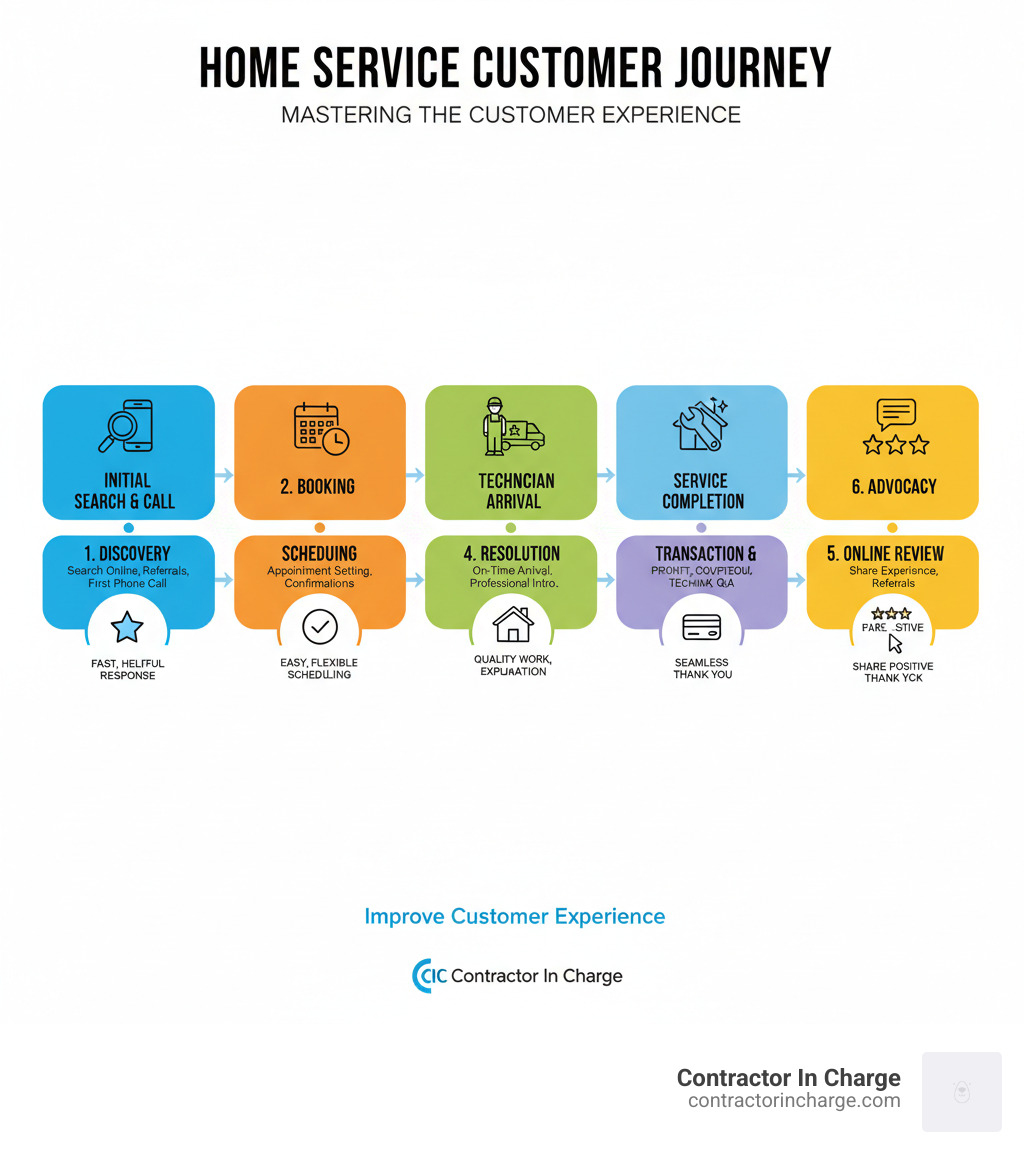
You can’t fix what you can’t see. The customer journey begins the moment a homeowner realizes they have a problem. Map every touchpoint: their initial Google search, the first phone call, the booking process, pre-arrival communication (like “we’re on our way” texts), the service visit itself, billing, and the final follow-up. By identifying and eliminating friction at each step, you can systematically improve the experience and build trust.
Empower Your Team to Deliver Excellence
Your people are your CX. Train them on empathy and communication, not just technical skills. Give them the autonomy to solve problems on the spot—like offering a small discount for a delay—without needing approval. Equip them with the right tools, like an integrated CRM with customer history, so no one has to repeat their story. A customer-first culture starts internally; when you empower your team, they create moments of genuine care that customers remember.
How to effectively gather and act on customer feedback to improve customer experience
Feedback is only valuable if you act on it. Use short, immediate post-job surveys to capture fresh reactions. Monitor online reviews and respond professionally to both praise and complaints. Make it easy for customers to offer direct communication. Most importantly, analyze all feedback for patterns. If multiple customers mention the same issue, fix the underlying process. This is how you turn data into action.
Build a Seamless Omnichannel Strategy
Homeowners expect to reach you conveniently, whether by phone, email, or text, and they expect you to know the context of their issue without them repeating it. That’s omnichannel communication. Your brand voice and service level must be consistent across all channels. The key is integration. When your systems are connected, you eliminate one of the biggest frustrations in customer service and present a professional, organized front.
Leveraging Technology and Personalization for a Modern CX
The right technology combined with genuine personalization creates experiences that don’t just meet expectations—they shatter them. Homeowners want speed, convenience, and friendly, knowledgeable help, which according to a study from PwC, are top contributors to a positive experience. Technology is the vehicle that gets you there faster.
How to use technology to improve the customer journey
Think of the peace of mind a delivery app’s map provides. You can create that same feeling. Use automated appointment reminders and real-time technician updates to reduce customer anxiety. Offer digital invoices and payment options for transparency and convenience. The backbone of this is a comprehensive customer management system that stores every interaction, allowing for context-aware service. Let automation handle routine tasks, freeing up your team to focus on complex problems and build relationships.
The Power of Personalization in Home Services
Being treated like a person, not a transaction, is powerful. In home services, personalization is crucial. Remembering past jobs shows you care. Using customer names creates warmth. Tailoring communication to their preferences (e.g., text vs. call) shows you’re paying attention. The ultimate goal is anticipating needs, like proactively reminding a customer about annual maintenance. This transforms you from a reactive vendor into a trusted advisor.
How to effectively measure and track to improve customer experience
If you’re not measuring your customer experience, you’re just guessing. Track these key metrics to make>Frequently Asked Questions about Improving Customer Experience
Let’s tackle some common questions from contractors who are ready to improve customer experience.
What’s the first step to improve CX with a small budget?
The most powerful improvements come from the human element, not expensive tech. Start by training your team on active listening and empathy. Acknowledging a customer’s stress during an emergency costs nothing but builds immense goodwill. Also, use simple feedback methods, like a quick follow-up call after a job. Since 78% of consumers prefer speaking to a real person, these personal touches are highly effective.
How is CX different for a plumber versus an online store?
The difference is immense because home service is deeply personal and trust-based. You’re asking a homeowner to let a stranger into their private space during a stressful moment. For contractors, key touchpoints are punctuality, cleanliness, clear communication, and professionalism. Homeowners need to feel safe and respected. It’s about building face-to-face trust, not just digital convenience.
How can I train my technicians on customer experience?
Technicians represent your entire brand in the customer’s home. Train them on more than just technical skills.
- Role-play common scenarios like handling complaints or explaining complex repairs in simple terms.
- Create simple checklists for customer interaction (e.g., introduce yourself, wear shoe covers, explain the work plan, clean up thoroughly).
- Use empathy exercises to help them see things from the homeowner’s perspective.
- Reward positive feedback publicly to reinforce the behaviors you want to see and motivate the whole team.
Conclusion
When you improve customer experience, you’re not just making people happier—you’re building the foundation for long-term growth. It’s not one big thing, but a thousand small things done right: the prompt phone answer, the technician who respects the home, the text that says “We’re on our way.” These moments add up, separating businesses that survive from those that thrive.
Success rests on three pillars: people, process, and technology. Your people need the training and trust to deliver excellence. Your processes need constant refinement based on real feedback. Your technology should make every interaction smoother and more personal, supporting the human connection that 78% of customers still crave.
The financial case is clear. Better CX leads to loyal customers, higher spending, and powerful referrals. The cost of getting it wrong is a damaged reputation that’s hard to repair. In the home service industry, your name is your currency, and honoring customer trust is simply good business.
At Contractor In Charge, we help you deliver on this promise. We combine modern tech with genuine care to handle your calls, booking, and dispatch 24/7. We’re not just answering phones; we’re protecting your reputation and helping you build lasting relationships with every customer.
The contractors who win today are the ones who make every customer feel heard, valued, and taken care of. That’s the competitive edge that no one can copy.
Ready to transform how your customers experience your business? Get your free guide to virtual customer service and find how the right support can turn every service call into an opportunity to build loyalty and grow your business.